Blog article
Hypnotherapy Addiction Teaching and Education Model (HTEM Model)
The HTEM Model is a teaching-first framework designed to help clients understand, internalize, and apply addiction recovery principles alongside hypnotherapy.

Overview
The HTEM Model is a teaching-first framework designed to help clients understand, internalize, and apply addiction recovery principles alongside hypnotherapy.
Unlike treatment-only models, HTEM focuses on:
CORE PRINCIPLE
HTEM combines:
- Education (conscious understanding)
- Hypnotherapy (subconscious change)
- Practice (behavioral reinforcement)
1. TEACH (Understanding the System)
Goal: Remove confusion and build clarity
Teach the client:
Key Outcome:“I understand what’s happening to me”
- The addiction loop
- Triggers and cravings
- Physical vs psychological dependence
2. AWARE (Pattern Recognition)
Goal: Make unconscious patterns visible
Key Outcome:“I can see it before it happens”
- Identify personal triggers
- Notice automatic behaviors
- Recognize emotional drivers
3. INTERRUPT (Control the Moment)
Goal: Break the automatic loop
Key Outcome:“I can stop before acting”
- Pause techniques
- Urge surfing
- Delay response
4. REPROGRAM (Subconscious Change)
Goal: Change internal responses
Key Outcome:“I no longer feel the same urge”
- Hypnotherapy sessions
- Suggestion reinforcement
- Emotional rewiring
5. EMBED (Make It Permanent)
Goal: Turn new behavior into identity
Key Outcome:“This is who I am now”
- Daily reinforcement
- Habit installation
- Identity shift
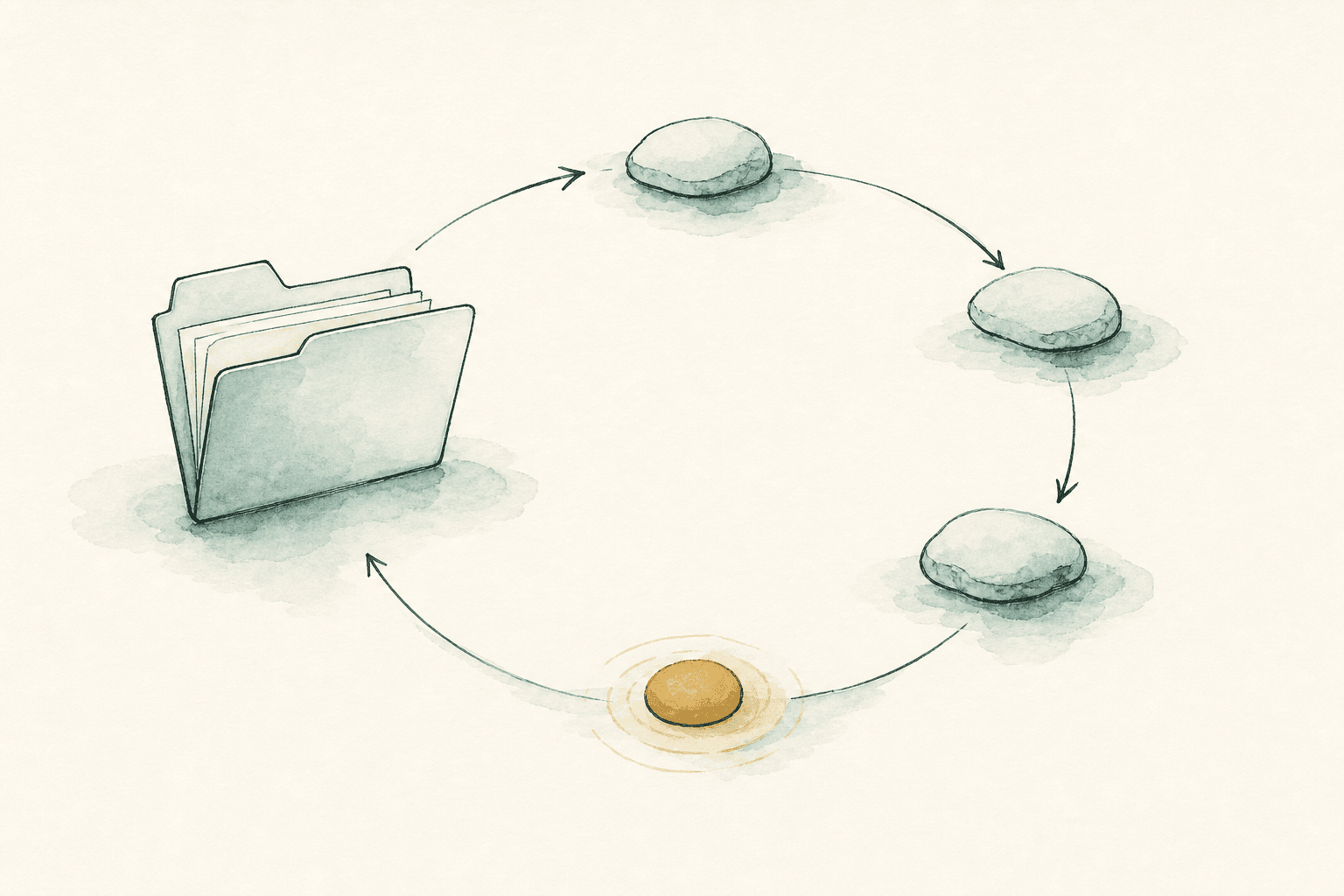
THE HTEM LEARNING LOOP
Step 1: Learn
Understand the addiction system
Step 2: Observe
See it in real life
Step 3: Interrupt
Break the pattern
Step 4: Rewire
Change the internal response
Step 5: Repeat
Until automatic
TEACHING STRUCTURE (SESSION FLOW)
Each session includes both education + hypnotherapy
Part 1: Education (10–20 min)
Part 2: Awareness Integration
Part 3: Hypnotherapy
Part 4: Application Task
- Explain a concept
- Use simple models (loops, triggers, patterns)
- Client identifies personal examples
- Builds real-life connection
- Reinforce the concept subconsciously
- Daily practice
- Behavioral exercise
CORE CONCEPTS TAUGHT IN HTEM
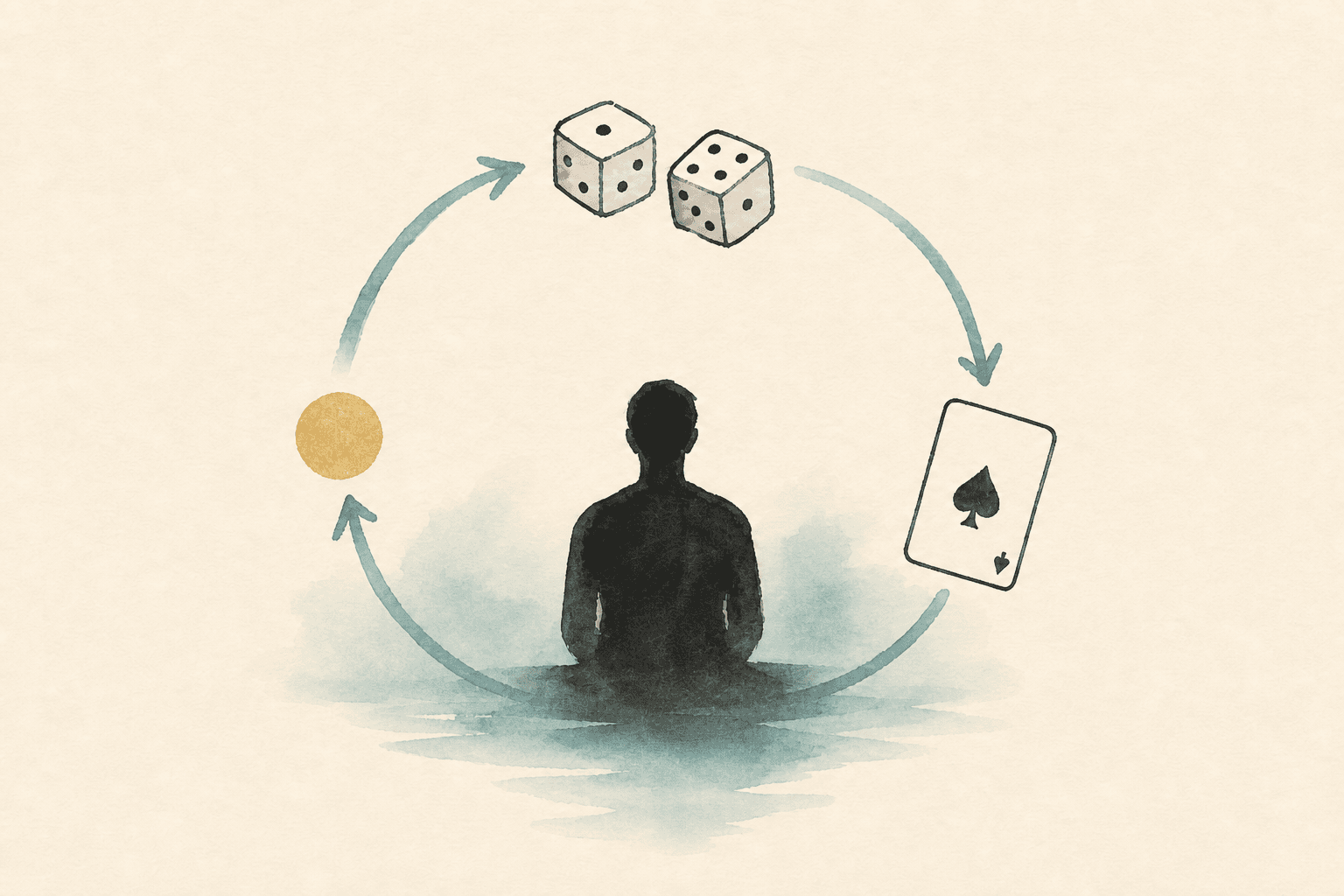
- Addiction loop (Trigger → Craving → Behavior → Reward)
- Emotional regulation
- Habit formation
- Identity and self-image
- Craving mechanics
- Relapse patterns
Physical Dependence
- What withdrawal is
- Why the body reacts
Psychological Dependence
HTEM emphasizes:
- Why cravings happen
- How habits form
- How emotions drive behavior
CORE TEACHING TOOLS
- Simple diagrams
- Real-life examples
- Repetition of key ideas
- Practical exercises
- Self-reflection
WHY HTEM WORKS
Most programs fail because:
HTEM fixes this by:
- Clients don’t understand the process
- Change feels random
- No structure for learning
- Making recovery logical and predictable
- Giving clients tools, not just sessions
- Combining conscious + subconscious change
APPLICATION
HTEM can be used for:
- Substance addictions
- Behavioral addictions
- Emotional and habit-based patterns
FINAL MODEL SUMMARY
TEACH → AWARE → INTERRUPT → REPROGRAM → EMBED
Repeat until: